Chevrolet Canada
Military
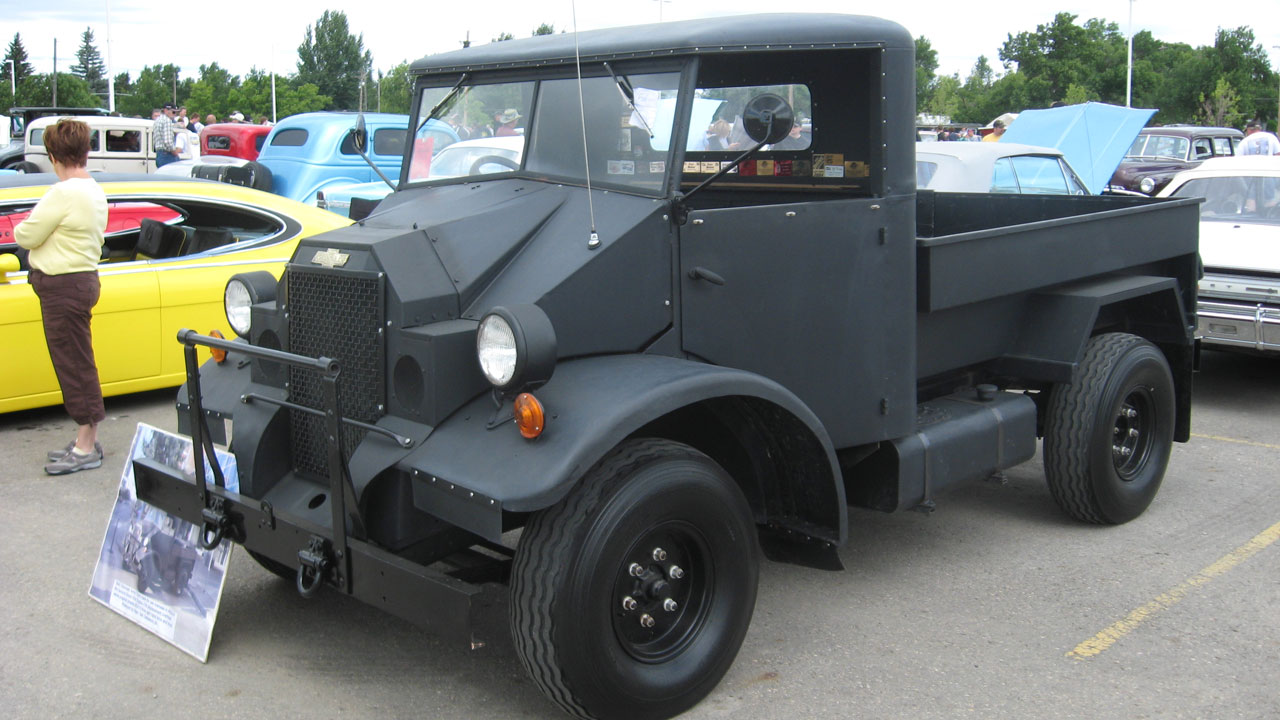
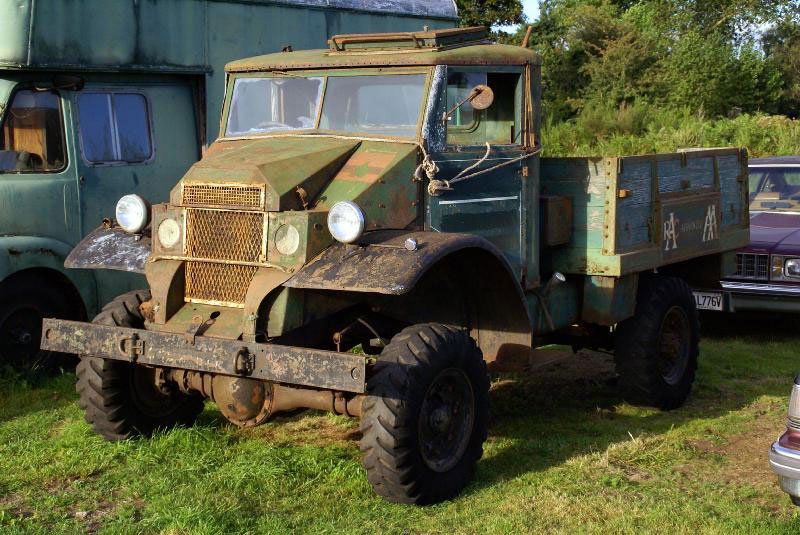
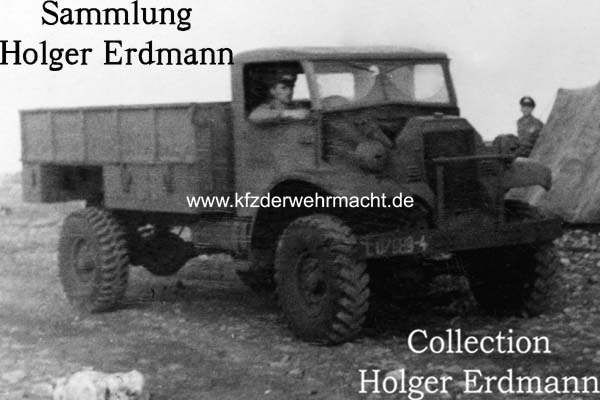
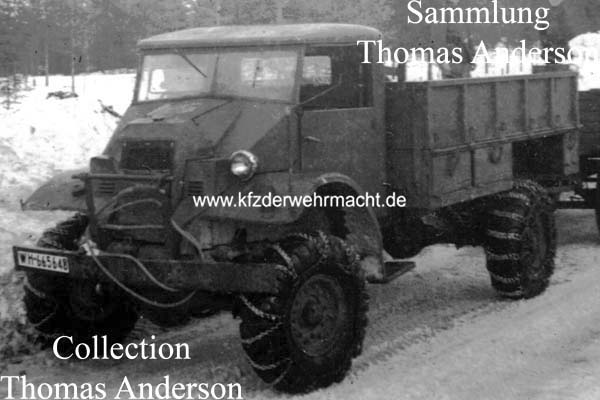
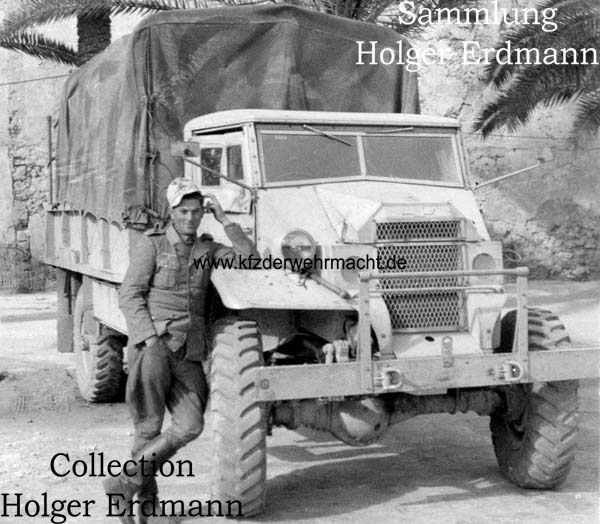
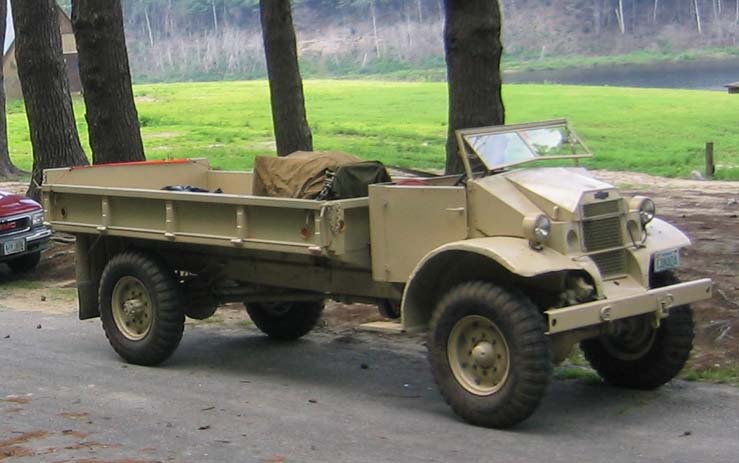
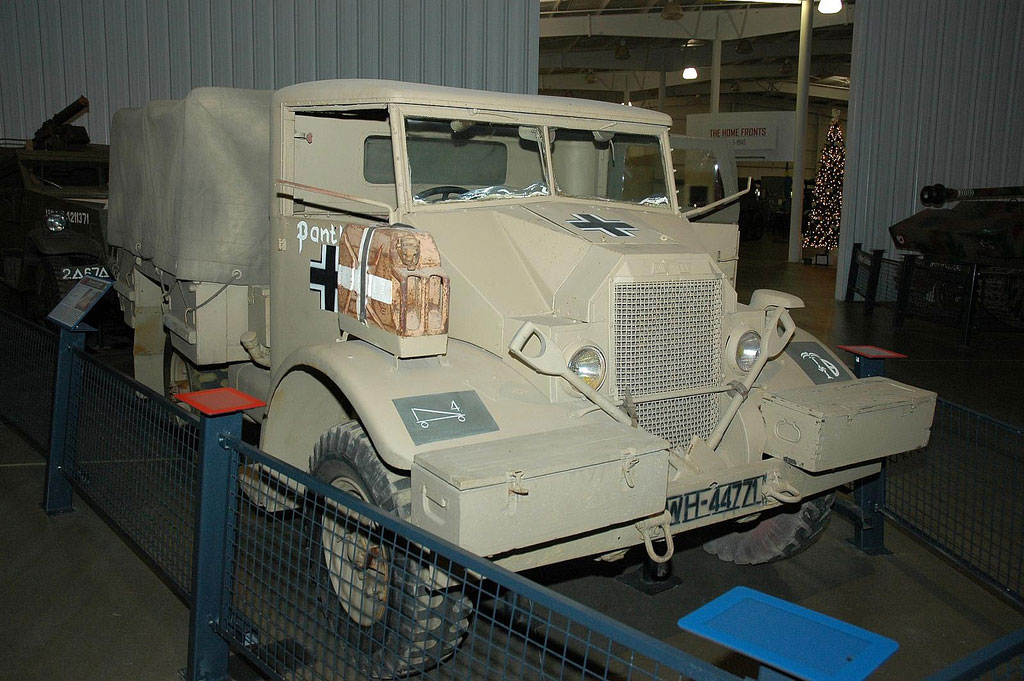
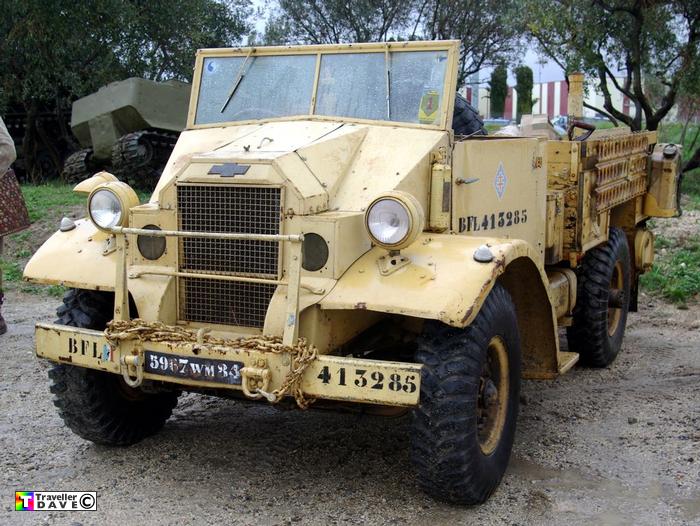
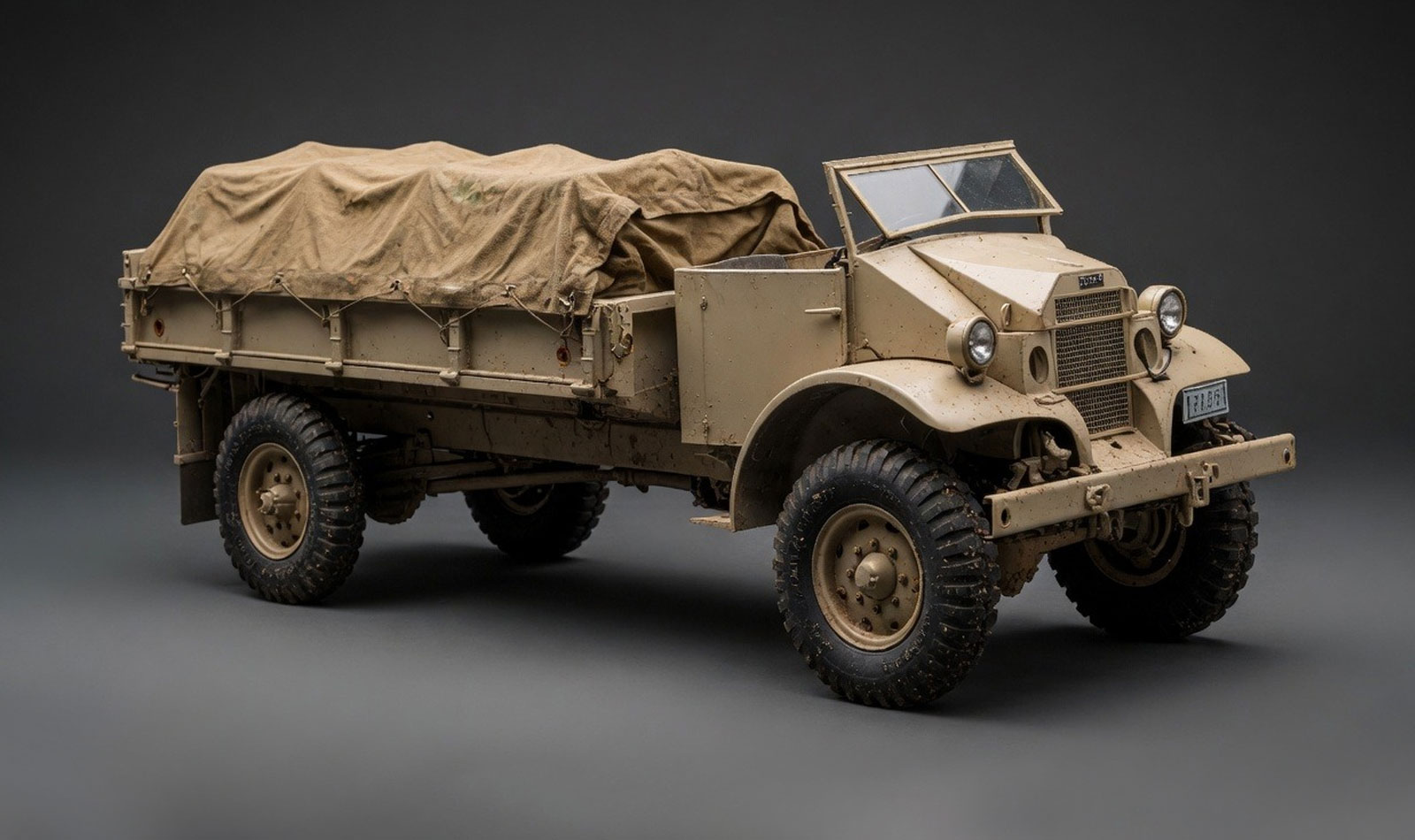
Chevrolet C8 / C15 / C30 / C60 No.11 and 12 cab

The Canadian Military Pattern (CMP) truck was a class of military truck produced in large numbers in Canada during World War II to British Army specifications for use by the armies of the British Commonwealth allies. CMP trucks were also sent to the Soviet Union as part of Canada’s lend-lease program to the Allies.
During the war, CMP trucks saw service around the world in the North African Campaign, the Allied invasion of Sicily, the Italian Campaign, the Russian Front, the Burma Campaign, the Battle of the Philippines (1941–42), the liberation of Northwest Europe, and the Western Allied invasion of Germany. CMP trucks also saw service in post-war conflicts in Indonesia, French Indochina, and the Portuguese colonies in Africa.
Early in 1937, the Ford Motor Company of Canada and General Motors of Canada Ltd. were each invited by the Canadian Department of National Defence to produce a Canadianized prototype of a 15-hundredweight light infantry truck that had recently been adopted by the British War Office.
By 1938, Canadian military authorities had shifted their interest to heavier 4×4 and 6×4 designs. By 1939, plans had been prepared for the mass production in Canada of a range of military vehicles based on fairly strict British specifications. These trucks were originally designated “Department of National Defence (DND) Pattern”; however, when production volumes increased and it became clear that the Canadian-built vehicles were to serve widely in the forces of other countries, the class of trucks was redesignated “Canadian Military Pattern (CMP).”
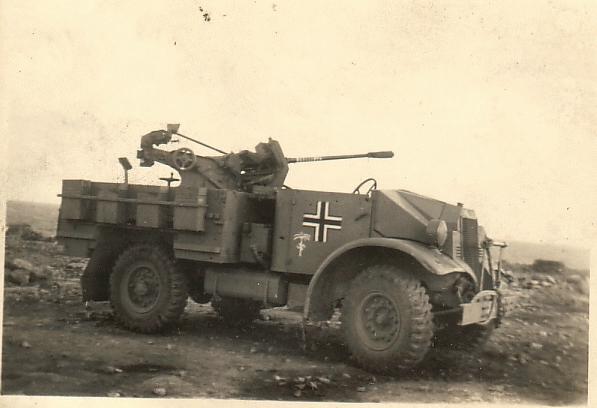
Most CMP trucks were manufactured by the Chevrolet division of General Motors of Canada Ltd. and by the Ford Motor Company of Canada. A smaller number of CMP trucks were assembled from Canadian-made chassis and parts in Britain, Australia, New Zealand, South Africa (2,600), India (9,500), and Egypt. Just over 400,000 CMP trucks were manufactured in Canada, accounting for roughly half of the 815,729 military vehicles made in Canada during World War II.
The Chevrolet-built CMP trucks had a 215 cu. in. (3.5 L), 85 bhp (63.4 kW) inline-six overhead-valve engine. An American-made 270 cu. in. (4.4 L) GMC inline-six engine powered the C60X 3-ton truck. The Ford and Chevrolet trucks shared a standard cab design, which evolved over the years of production. The first cab design, developed at Ford by Sid Swallow, followed by the second and third designs, were designated Nos. 11, 12, and 13, respectively.
The first two types were similar, the main difference being the two-part radiator grille on the No. 12 cab. Its upper part opened with the bonnet, giving rise to the nickname “Alligator cab.” The final No. 13 cab had a different design. All CMP cab designs had a short, “cab-forward” configuration that gave CMP trucks their distinctive pug-nosed profile. This design was required to meet the original British specifications for a compact truck design that would be more efficient to transport by ship.
The production of CMP truck bodies in Canada was subcontracted to smaller companies in Ontario and Manitoba, organized into the wartime Steel Body Manufacturers Association by the Department of Munitions and Supply. The wide variety of truck body designs included general service (GS), water tanker, fuel tanker, vehicle recovery (tow truck), dental clinic, mobile laundry, wireless house, machinery (machine shop), folding boat transport, and antitank gun portee. The military range included the following models:
- Chevrolet C8 (4×2, 101″ wheelbase, 8 cwt);
- Chevrolet C8A Heavy Utility Truck (4×4, 101″ wheelbase, 8 cwt);
- Chevrolet C15 (4×2, 101″ wheelbase, 15 cwt);
- Chevrolet C15A (4×4, 101″ wheelbase, 15 cwt);
- Chevrolet C15TA Armoured Truck (4×4, 101″ wheelbase, 15 cwt);
- Chevrolet C30 (4×4, 134″ wheelbase, 30 cwt);
- Chevrolet C60S (4×4, 134″ wheelbase, 3-ton);
- Chevrolet C60L (4×4, 158″ wheelbase, 3-ton);
- Chevrolet C60X (6×6, 160″+52″ wheelbase, 3-ton, 270 cu. in. GMC inline-six engine);
- Chevrolet CGT Field Artillery Tractor (F.A.T.) (4×4, 101″ wheelbase).
Successor: Chevrolet C8 / C15 / C30 / C60 No.13 cab